
Seller guide
Low Voltage vs Medium Voltage Gear
The dividing line is 1000V, and the two sides of it behave like two different businesses.
- Paid before pickup
- No testing required
- Freight and rigging covered
- Any amperage, any condition
Request a Quote
Have gear to sell while you read? Send a nameplate photo for a same-day number.
Where the line falls
Low voltage switchgear operates at 1000V and below, which in practice means 208V, 240V and 480V in American buildings. Medium voltage covers roughly 1kV to 38kV, with 5kV and 15kV classes accounting for most of what exists in industrial and institutional service.
Almost everything about the two differs: the insulation systems, the interrupting technology, the physical clearances, who is qualified to work on them, and how long it takes to buy new ones.
Low voltage: the volume market
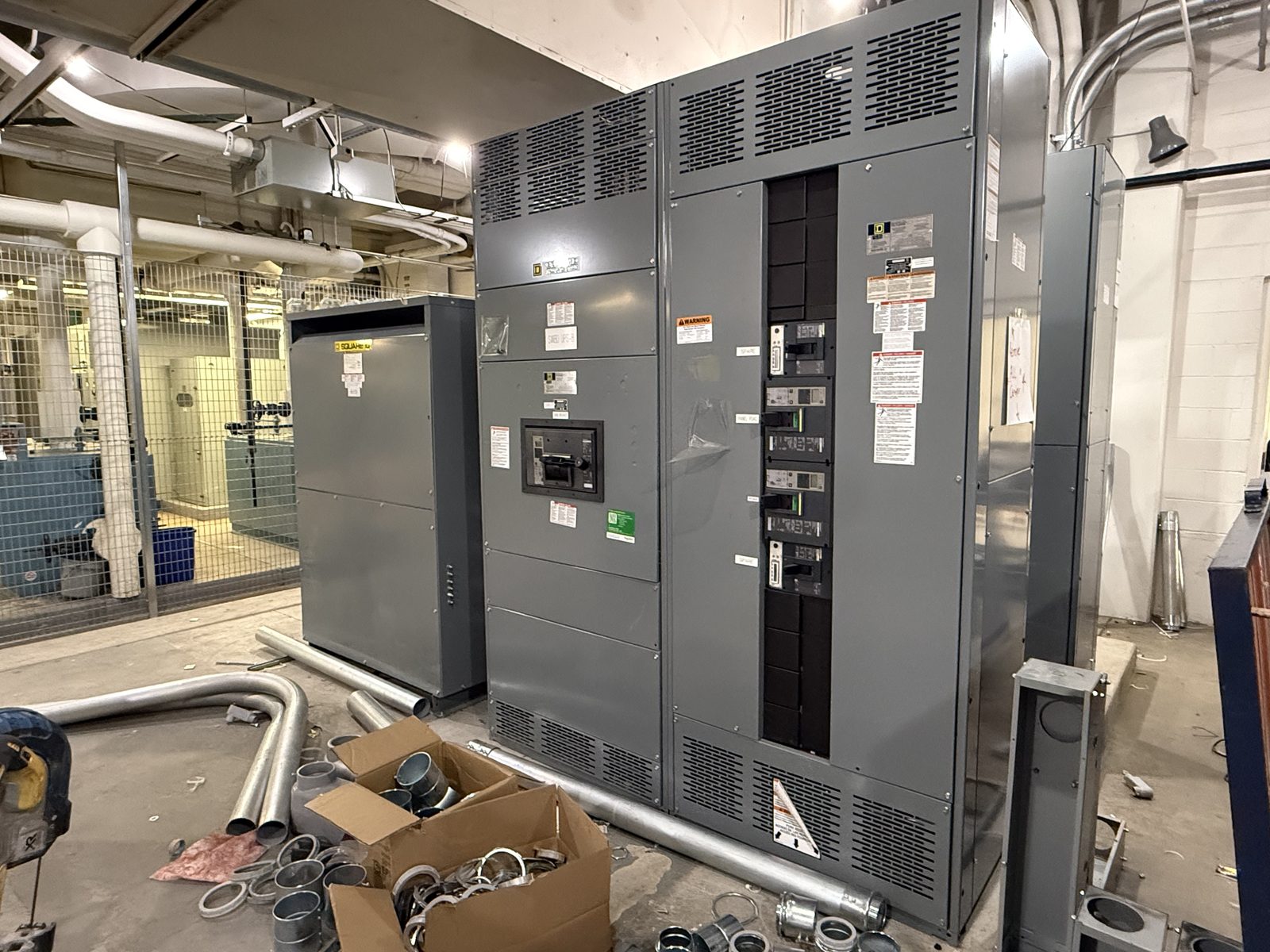
Low voltage gear is what most sellers have. It is common, it resells steadily, and there is a deep pool of buyers for mainstream 480V lineups at ordinary amperages. Values are solid rather than spectacular, and the transaction is usually straightforward because the gear is easier to rig and freight.
Drawout low voltage switchgear with air breakers is the strongest part of this market. Fixed-mount switchboards and panelboards sit below it and often sell best in lots.
Medium voltage: fewer buyers, much larger numbers
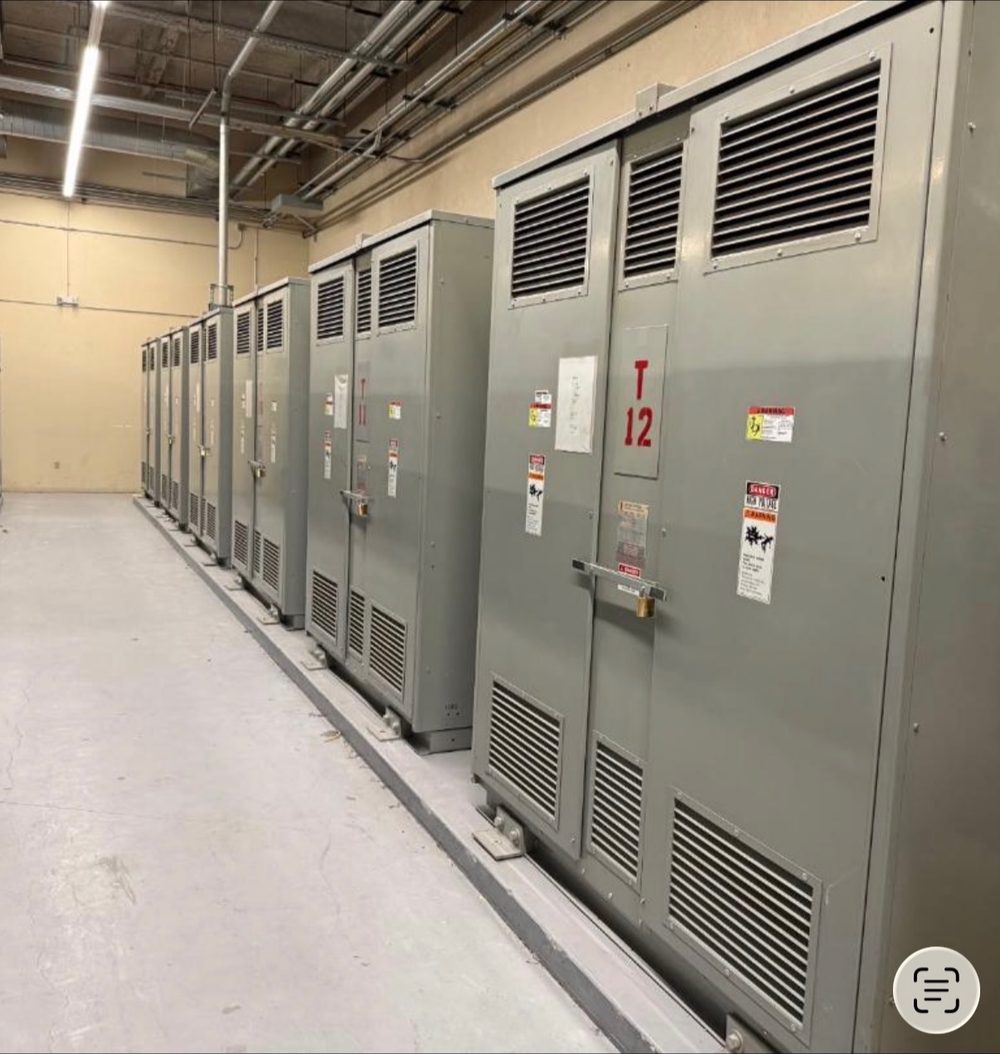
Medium voltage lineups are worth substantially more per section and are worth freighting a long distance for. The reason is lead time: new medium voltage gear now takes well over a year in many cases, so a facility that needs a replacement section or a matching vacuum breaker has a strong incentive to buy serviceable used equipment.
Metal-clad construction, where each breaker is compartmented and the bus is insulated and barriered, is the most valuable medium voltage category. Metal-enclosed interrupter and load-break switch gear is worth less but still well above scrap.
What changes for you as the seller
Safety procedure changes first. Medium voltage gear must be verified de-energised and grounded before anyone works on it, and that coordination with the utility or your plant electricians is usually the longest lead item in the sale.
The economics change too. Because medium voltage values are high, it is almost always worth getting a specialist opinion before making any decision, and it is almost never worth scrapping medium voltage gear that is physically intact.
Request a Quote
Send a nameplate photo for a same-day number.
More seller guides
Everything we know about selling switchgear
Classes of switchgear we buy
Distribution equipment only
Low Voltage Switchgear
600V class drawout and fixed-mounted lineups pulled from indoor electrical rooms.
Medium Voltage Switchgear
5kV and 15kV class metal-clad lineups with vacuum or air breakers, indoor and outdoor.
Switchboards
Front-accessible service entrance and distribution switchboards from commercial buildings.
Unit Substations
Close-coupled primary, transformer and secondary assemblies from industrial plants.
Motor Control Centers
MCC lineups with starter buckets, VFDs and combination starters from plants and utilities.
Circuit Breakers
Loose air, vacuum, insulated case and molded case breakers, individually or by the pallet.
Panelboards
Distribution and branch panelboards, loadcenters and column panels in bulk lots.
Outdoor Switchgear
Walk-in and non-walk-in weatherproof enclosures, pad-mounted and skid-mounted lineups.
Arc-Resistant Switchgear
Type 2B arc-resistant lineups with plenums and pressure relief, low and medium voltage.
Metal-Clad Switchgear
Compartmentalized drawout medium voltage gear with grounded metal barriers between sections.
Bus Plugs and Busway
Plug-in and feeder busway runs, elbows, tees and bus plugs from industrial ceilings.
Switchgear Scrap
Burned, gutted, flooded and unrepairable gear bought for copper and metal content.
Questions we get asked
Straight answers
How do I tell low voltage from medium voltage?
The nameplate voltage is definitive. Physically, medium voltage gear is deeper, taller and has much larger insulated standoffs and bushings inside than low voltage gear.
Is medium voltage gear harder to sell?
Harder to move, easier to sell. There are fewer buyers but they are highly motivated by lead times, so serviceable lineups get strong offers.
Do you buy both?
Yes, both, in every amperage and enclosure type, and we cover the rigging and freight in both cases.
Questions about your gear?
Call or text a nameplate photo. No obligation.
Request Your Quote
Nationwide, upfront payment, freight covered.