
Seller guide
How to Sell Used Switchgear
Six steps, in order, with the mistakes that cost sellers money at each one.
- Paid before pickup
- No testing required
- Freight and rigging covered
- Any amperage, any condition
Request a Quote
Have gear to sell while you read? Send a nameplate photo for a same-day number.
Step 1: photograph the nameplate before anything else
The nameplate is the single most valuable piece of information about your switchgear. It carries the manufacturer, the bus amperage, the voltage class, the short circuit rating, the type designation and usually the year and the shop order number. A buyer who can read your nameplate can price the lineup in minutes; one who cannot has to guess conservatively, and conservative guesses always come in low.
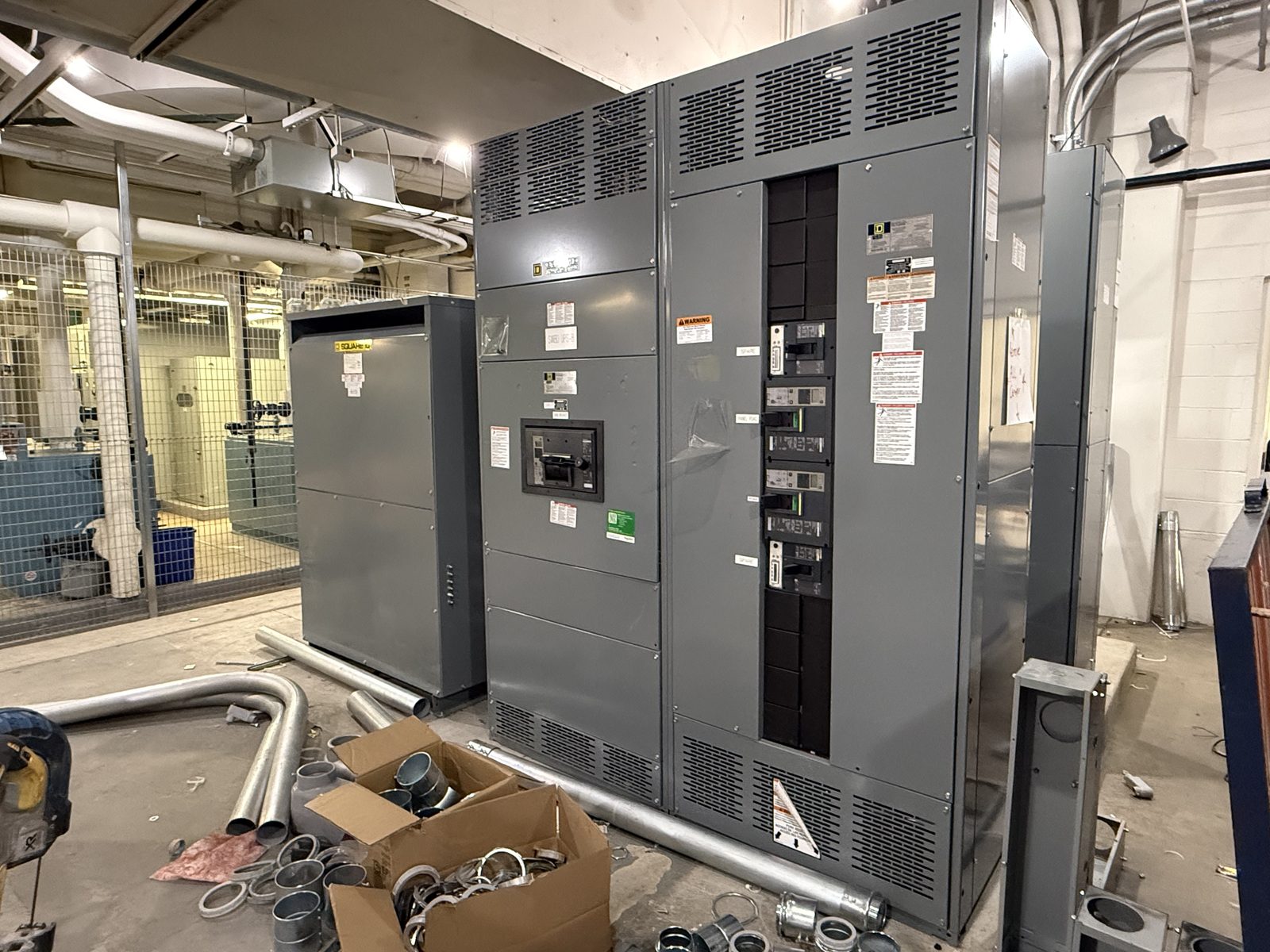
Photograph it straight on, close enough to read, with the flash on if the plate sits in shadow. Then walk the length of the lineup and photograph each section's door labels. If the main plate is painted over or missing, photograph the gear anyway. Cubicle height and arrangement, the breaker escutcheons, the bus compartment and the cable entry all let an experienced buyer narrow the rating considerably.
Step 2: do not pull the breakers or cut the bus
This is where sellers most often destroy value. A drawout lineup with its breakers still racked in their cubicles is a usable assembly. The same lineup with the breakers pulled out and stacked in a corner is a pile of parts, and pairing breakers back to the correct cubicles afterward is slow, uncertain work that the next buyer prices in.
The same applies to the bus. Once somebody has cut the copper out for weight, the lineup is scrap and nothing can undo it. Leave the bus, the current transformers, the relays, the meters and the control wiring alone. Every one of those is worth more in place than sold separately as metal.
Step 3: find out whether it is resale-grade or scrap-grade
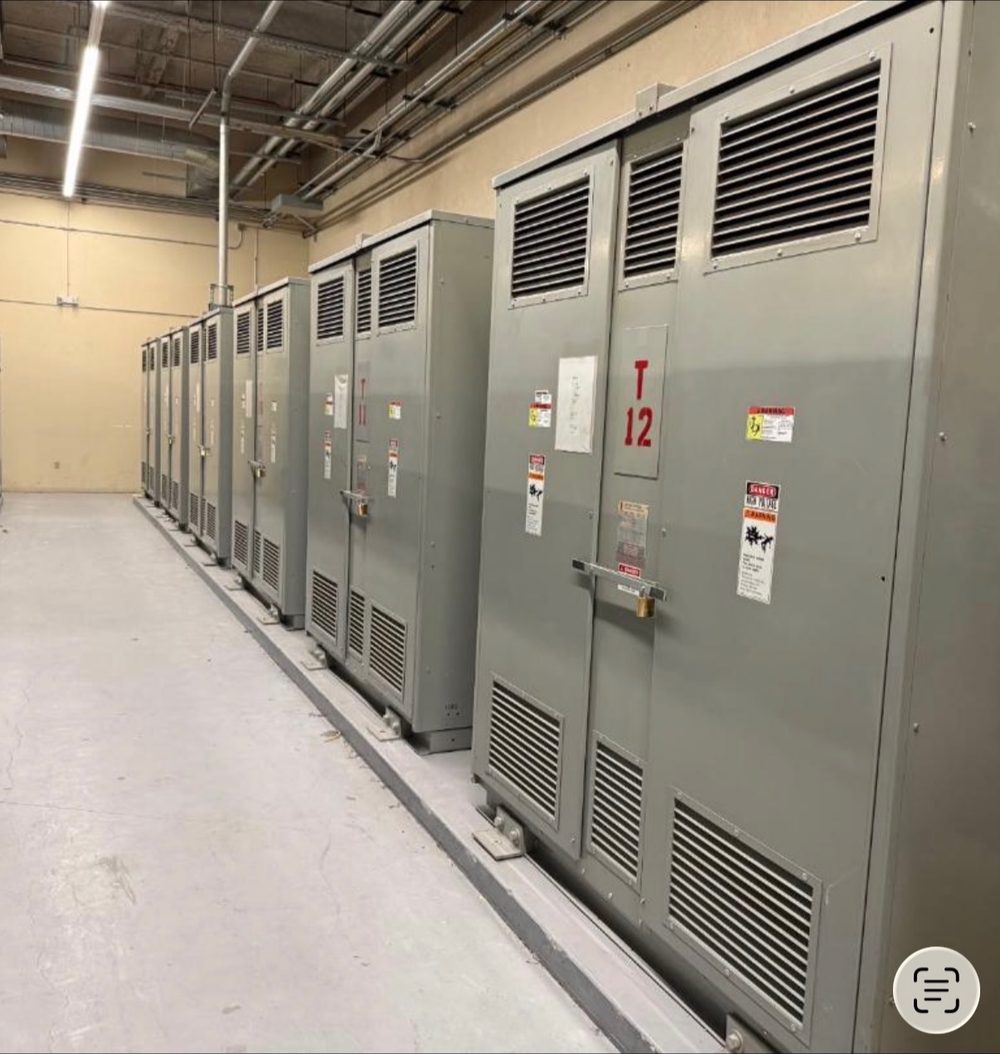
These are two entirely different prices. Resale-grade switchgear has intact bus and breakers, a rating and voltage class the market wants, and no water or arc damage in the critical compartments; it can be worth several times its metal value. Scrap-grade gear has burned bus, a flooded interior, fire damage or a rating nobody specifies any more, and it is worth copper, aluminum and steel content.
You generally cannot tell by looking at the outside. Dented covers and surface rust say nothing about the condition of the bus behind them. This is the single best reason to get a specialist opinion before calling a scrap yard, because the scrap decision is irreversible.
Step 4: get a firm price with the removal terms stated
A price is only meaningful alongside who pays to get the gear out. Separating a bolted lineup into sections, rigging them through a mechanical room door, getting them down a loading dock and hauling them several hundred miles is a real expense, and if it lands on you it can consume most of what you were paid.
Ask directly: is the number firm, does it include teardown, rigging and freight, and is payment before or after resale. Our answer is firm, included, and before — but the point is to ask whoever you are dealing with, and to get it in writing.
Step 5: plan access before the truck is dispatched
Most delays are access problems, not price problems. Gear in a basement electrical room, up a ramp, behind a locked gate or inside an operating facility needs the right equipment and sometimes a permit. Tell the buyer what the room looks like at quoting time, including door widths, the path to the dock and whether an elevator is involved, so the rigging plan matches reality.
If the lineup is still energised, a utility or licensed electrician disconnect has to come first. That is usually the longest lead item in the whole process, so start it early and let the buyer schedule around it.
Step 6: keep the paperwork
Hold on to the nameplate photos, the single-line drawing, any acceptance or maintenance test reports, and the bill of sale. Test reports in particular raise what a lineup is worth, because they shorten the next owner's commissioning work. A buyer who cannot produce clean paperwork for the transfer is a risk to you rather than a convenience.
Request a Quote
Send a nameplate photo for a same-day number.
More seller guides
Everything we know about selling switchgear
Classes of switchgear we buy
Distribution equipment only
Low Voltage Switchgear
600V class drawout and fixed-mounted lineups pulled from indoor electrical rooms.
Medium Voltage Switchgear
5kV and 15kV class metal-clad lineups with vacuum or air breakers, indoor and outdoor.
Switchboards
Front-accessible service entrance and distribution switchboards from commercial buildings.
Unit Substations
Close-coupled primary, transformer and secondary assemblies from industrial plants.
Motor Control Centers
MCC lineups with starter buckets, VFDs and combination starters from plants and utilities.
Circuit Breakers
Loose air, vacuum, insulated case and molded case breakers, individually or by the pallet.
Panelboards
Distribution and branch panelboards, loadcenters and column panels in bulk lots.
Outdoor Switchgear
Walk-in and non-walk-in weatherproof enclosures, pad-mounted and skid-mounted lineups.
Arc-Resistant Switchgear
Type 2B arc-resistant lineups with plenums and pressure relief, low and medium voltage.
Metal-Clad Switchgear
Compartmentalized drawout medium voltage gear with grounded metal barriers between sections.
Bus Plugs and Busway
Plug-in and feeder busway runs, elbows, tees and bus plugs from industrial ceilings.
Switchgear Scrap
Burned, gutted, flooded and unrepairable gear bought for copper and metal content.
Questions we get asked
Straight answers
How long does selling switchgear take?
Quoting is same-day from photos. Pickup is typically one to two weeks after agreement, with the utility disconnect usually being the longest lead item if the lineup is still energised.
Do I need to have the gear tested before selling?
No. Testing is never required. If you happen to have recent test reports they help the price, but their absence does not stop the sale.
Is it worth selling a single switchboard section?
Yes. Single sections and loose breakers are bought routinely, though small panelboards usually make the most sense combined into a lot.
Questions about your gear?
Call or text a nameplate photo. No obligation.
Request Your Quote
Nationwide, upfront payment, freight covered.